

Following the incidents affecting supermarkets in France, Gradhoc emphasises the importance of combining cybersecurity, operational monitoring and controlled access to connected refrigeration systems. None of our customers has been affected by these incidents.
The cyberattacks that took place in France on 11 and 12 October 2026 have highlighted the potential consequences of unauthorised access to connected control systems, particularly when digital interference affects the physical operation of refrigeration installations.
The incidents disrupted refrigeration operations and resulted in food losses, prompting an official alert from CERT-FR, France’s cybersecurity incident response team, concerning the security of certain connected refrigeration control systems.
These events underline the need for a comprehensive approach to digitalisation in the refrigeration sector, one that addresses both the security of technological infrastructure and the operational monitoring and reliability of refrigeration processes.
Security as a fundamental requirement of our technology architecture
The official CERT-FR alert highlights the importance of preventing direct internet exposure of controller administration interfaces and securing remote access through protected connections.
At Gradhoc, we develop technology for the real-time monitoring, analysis and control of industrial and commercial refrigeration systems.
Our architecture combines on-site components with private cloud services, using encrypted communications and VPN connections. This enables refrigeration controllers to be integrated without requiring them to be directly exposed to the internet.
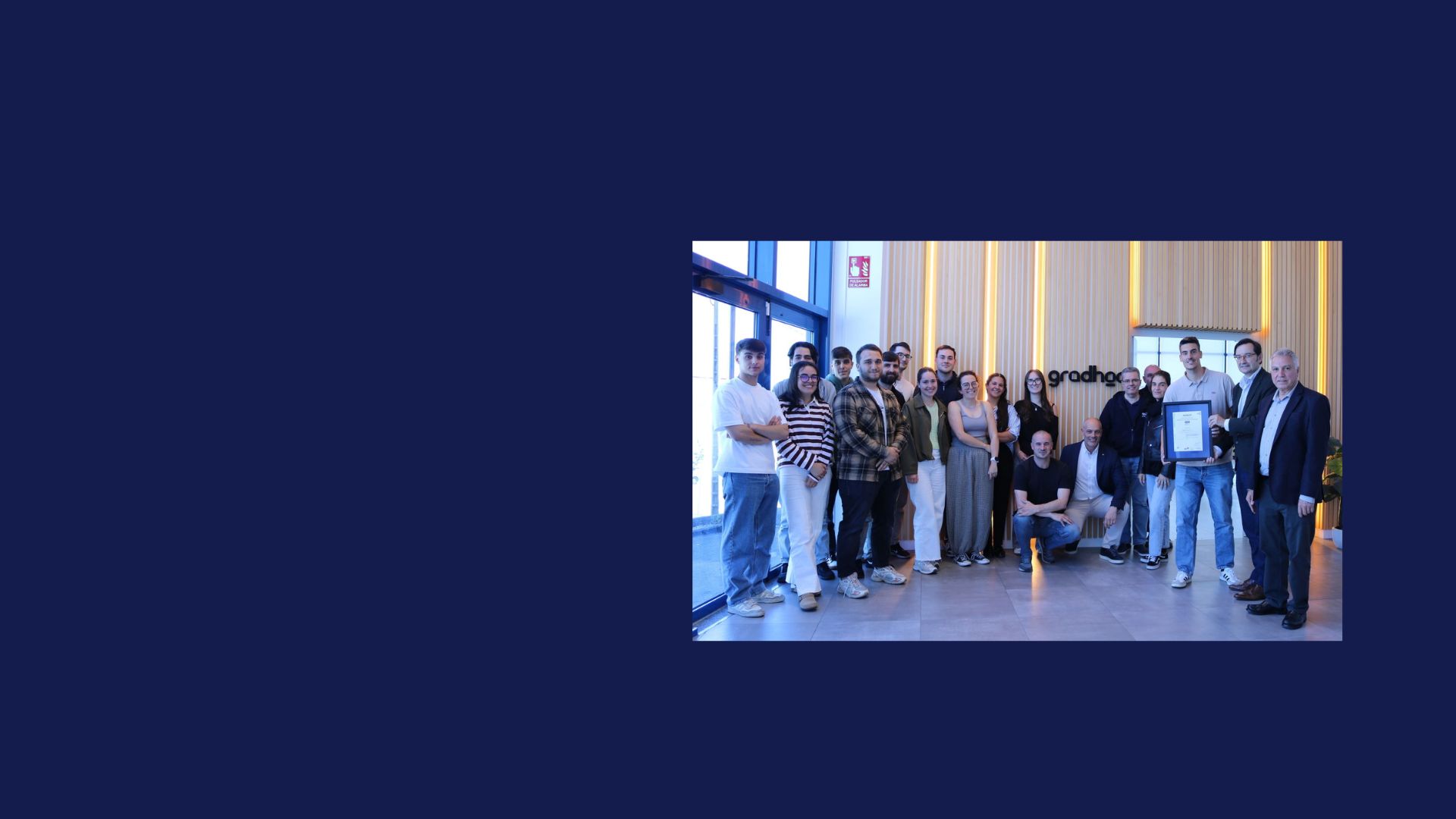
Our Information Security Management System (ISMS) is certified to ISO 27001, providing a framework for risk management, information protection and the continuous improvement of our security procedures.
Our architecture also incorporates additional security measures, including two-factor authentication, role-based access controls, an audit trail of all changes made through the Gradhoc platform, and operational monitoring of refrigeration systems.
Together, these capabilities enable us to combine secure information management with an additional level of oversight of refrigeration operations.
The importance of operational monitoring and automated anomaly detection
One of the documented consequences of the cyber incidents in France was the manipulation of defrost cycles, leading to abnormal temperature increases and compromising food preservation.
Gradhoc includes features designed to identify certain operational anomalies, such as incorrectly programmed defrost cycles or temperature deviations, and issue alerts to designated personnel according to predefined rules and procedures.
Provided that the necessary signals and communications are available, these capabilities offer an additional layer of operational monitoring that complements the installation’s existing control systems.
However, detecting an operational anomaly does not necessarily mean identifying a cyberattack. Operational monitoring and cybersecurity serve different but complementary purposes.
Security, transparency and technological responsibility
At Gradhoc, we implement specific measures to protect our platform and its communications, alongside mechanisms for operational monitoring and the traceability of actions carried out through the platform.
Nevertheless, we recognise that, as with any connected technology, cyber risk can never be eliminated entirely. The safeguards built into Gradhoc complement, but do not replace, the security measures required for external controllers and systems.
Securing a refrigeration installation is a shared responsibility involving equipment manufacturers, technology providers, system integrators and those responsible for operating the installation. It requires protected access and communications, regular system updates and the replacement of equipment that no longer receives security support.
We believe that progress in refrigeration digitalisation must go hand in hand with system security, operational reliability and responsible management of technological risks.
We remain committed to developing technology that supports more efficient, better-monitored and more reliable refrigeration operations, incorporating appropriate security measures and control mechanisms within our area of responsibility.
We believe that trust in connected refrigeration is built on technical expertise, verifiable security measures and collaboration among all those responsible for refrigeration installations.
Official source: CERT-FR – Alert CERTFR-2026-ALE-012, 12 October 2026
Gradhoc Smart | 14 October 2026